
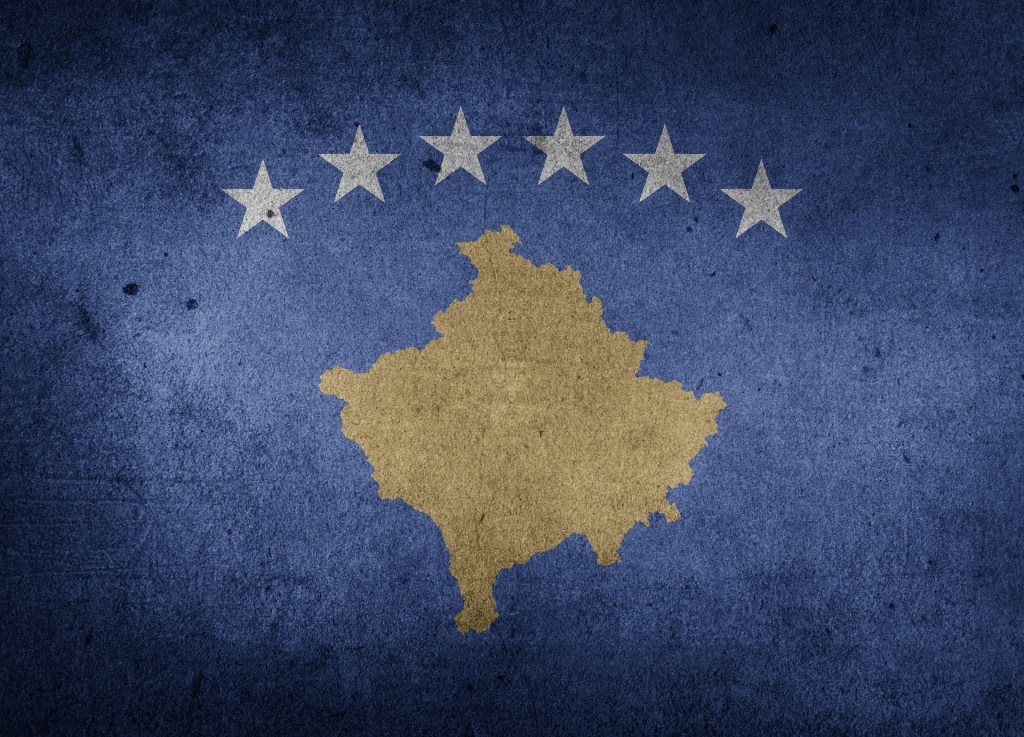
On June 5th, 2023, the United States envoy for the Western Balkans, Gabriel Escobar, demanded three actions from Kosovo Prime Minister Albin Kurti to resolve current tensions in North Kosovo. Escobar demanded “quick de-escalation,” new local elections in the Serb-dominated north, and a return to the EU dialogue. If these demands are not met, the US will be “forced” to consider sanctions. Unfortunately for the US, this tone-deaf intervention in the Balkans is emblematic of a fragmented approach to resolving tensions.
The United States has long been a stalwart ally of Kosovo, being one of the first governments to recognize the young nation on February 19th, 2008, a mere two days after Kosovo’s declaration of independence. U.S. President George Bush stated that establishing diplomatic relations was the next step to “bring peace to a region scarred by war.” Not only do these relations support ethnic groups long exposed to mass murders, but they also provide a counterbalance to the strong Russian presence in the region, particularly with its friendship with Serbia, which still claims Kosovo as its territory.
After 15 years of supporting Kosovo’s independence and assisting in maintaining its security, the US quickly changed paths in making demands of the domestic policy of a foreign nation. These demands come after mass violence in the Serb-dominated north. After the April 23rd municipal elections (which ethnic Serbs boycotted), the lawfully elected ethnic Albanian mayors attempted to take their offices and begin serving their communities. Despite the boycott, US officials recognized the results and enabled the Albanians in assuming office. Then, Serbs began protesting, with some escalating to using violent means to stop them. Kosovo police forces were called in to support the mayors in getting them access to their offices. This is when the US shifted its tone.
The Association of Serb Municipalities will be formed, even if PM Albin Kurti doesn’t want it. It’s not up to him.
– Gabriel Escobar
Gabriel Escobar, in a recent interview with Die Presse, stated that “the Association of Serb Municipalities will be formed, even if PM Albin Kurti doesn’t want it. It’s not up to him.” In less than six weeks after recognizing the electoral results, the United States called for new elections and implied that they would levy sanctions against a nation for not adopting the domestic policies that they deem fit.
The United States has chosen not to focus on Serbia’s increase in combat readiness and the growing number of troops on the border and instead focused on creating more instability in a region that has been mired in vulnerability since the fall of Yugoslavia. The US has given a mere two days for Kosovo to meet its demands without considering the steps it must take to get there, and the national security of Kosovo. Kosovo Foreign Minister Donika Gervalla-Schwarz stated that “We are open to elections in those four municipalities but to have new elections we need steps in between.” Ending the violence of the Serbs targeted at Albanians is a necessary first step to even consider local control in the creation of the Association of Serb Municipalities.
Kosovo is open for dialogue. It is clear that they want the violence to end, and are willing to meet in the middle to get there, but they need a supportive response from their allies. They need consistent mediation, not the aggressive intervention the United States has suddenly shifted to.
 Kian Williams
Leave a comment